The Enneagram Oracle Boutique
⭐⭐⭐ Listen to your soul ⭐⭐⭐
The Enneagram Oracle Boutique
⭐⭐⭐ Listen to you soul ⭐⭐⭐
📱 Coming soon: 👉 mobile app to easily make card readings yourself on your phone!
🌎 Worldwide Delivery - 🚚 Free Shipping for all Oracles
🕊️ Millennial Wisdom
🎯 4 Ultra-Precise Oracles
💎 Exclusives - Self-Published
🕊️ Millennial Wisdom
🎯 4 Ultra-Precise Oracles
💎 Exclusives - Self-Published
The Three Centers in the Enneagram: A Deep Dive into the Mental, Emotional, and Instinctive Centers for Personal Growth
Introduction: Understanding the Core of the Three Centers in the Enneagram
The Enneagram is a powerful tool for personal development and self-awareness that goes far beyond a mere classification of the nine personality types. At the heart of this system lie the Three Centers: the Mental Center, the Emotional Center, and the Instinctive Center. Understanding these centers is crucial for anyone looking to fully grasp the principles of the Enneagram and apply them to their daily life.
Each of these centers represents a different way of processing experiences and emotions. The Mental Center governs thought and logic, the Emotional Center deals with feelings and relationships, and the Instinctive Center is concerned with instinct and action. By exploring these centers in depth, we can gain a better understanding of ourselves and how we navigate the complexities of life.
This article provides a detailed exploration of the significance of the Three Centers in the Enneagram, their influence on our behavior, and how you can use this knowledge to foster your personal growth and self-awareness. Whether you are new to the Enneagram or a seasoned enthusiast, this guide will offer valuable insights into the fundamental aspects of the system.
What Are the Three Centers in the Enneagram?
The Three Centers—Mental, Emotional, and Instinctive—form the foundational elements of the Enneagram system. They represent three distinct ways of engaging with the world around us, and each person utilizes these centers to varying degrees. However, one center typically dominates our behavior and decision-making processes.
The Mental Center (Thinking)
This center is associated with intellectual activity, reasoning, and how we process information and make decisions. People who primarily use the Mental Center are often analytical, strategic, and focused on understanding the world through logic.
The Emotional Center (Feeling)
The Emotional Center deals with emotions, relationships, and the need for connection. Those centered on emotions are often empathetic, intuitive about others’ feelings, and driven by a desire for love and approval.
The Instinctive Center (Action)
The Instinctive Center is related to action, instinct, and the natural wisdom of the body. Individuals with a dominant Instinctive Center are decisive, action-oriented, and often respond to situations with a strong sense of instinct and intuition.
Each Enneagram type is primarily associated with one of these centers, although they can all access the strengths and weaknesses of the other two centers. Understanding which center predominantly governs you can offer profound insights into your personality, motivations, and challenges.
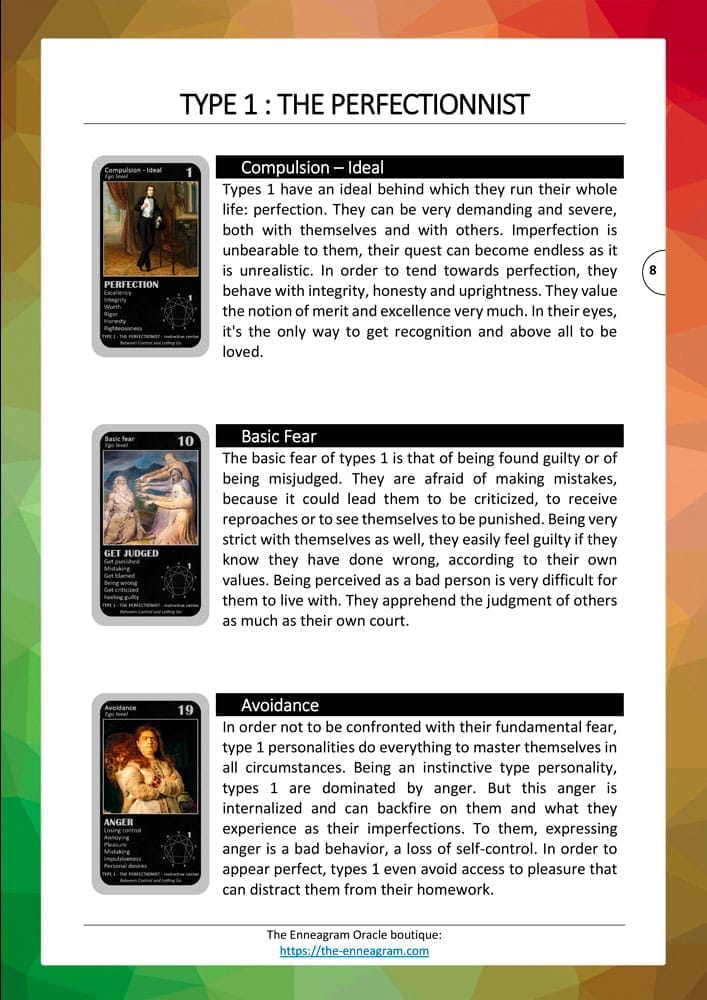
The Basics of the Enneagram. Made Easy.
🎁 Subscribe to the newsletter and receive a free e-book to discover the enneagram and all the cards of the General Enneagram Oracle!
The Mental Center: Logic, Fear, and the Pursuit of Security
The Mental Center encompasses Enneagram Types 5, 6, and 7, and focuses primarily on thinking, planning, and anticipating future events. People in this center often struggle with issues of fear and anxiety, which they try to manage through logic, foresight, and preparation.
Type 5: The Observer
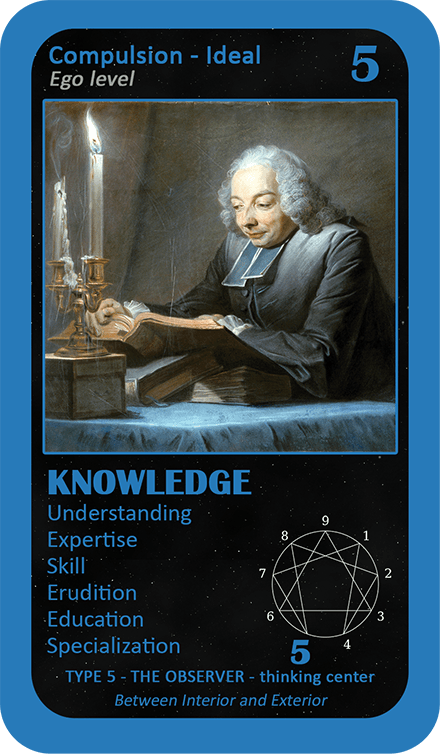
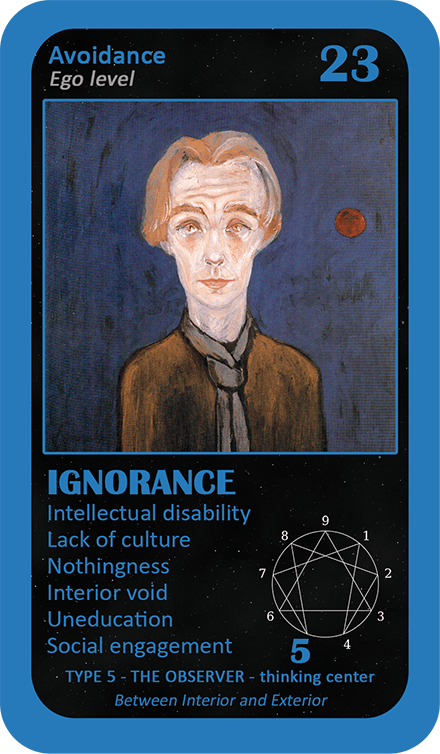
Type 5 individuals are deeply analytical and value knowledge. They seek to understand the world by accumulating information and protecting themselves from emotional intrusions through withdrawal and contemplation.
Type 6: The Loyalist
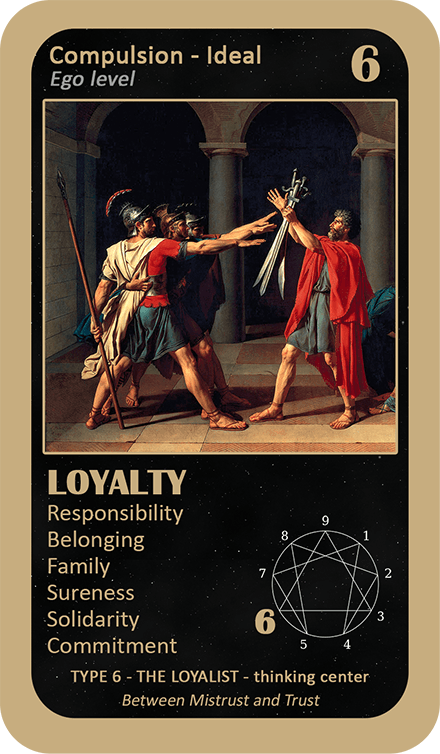
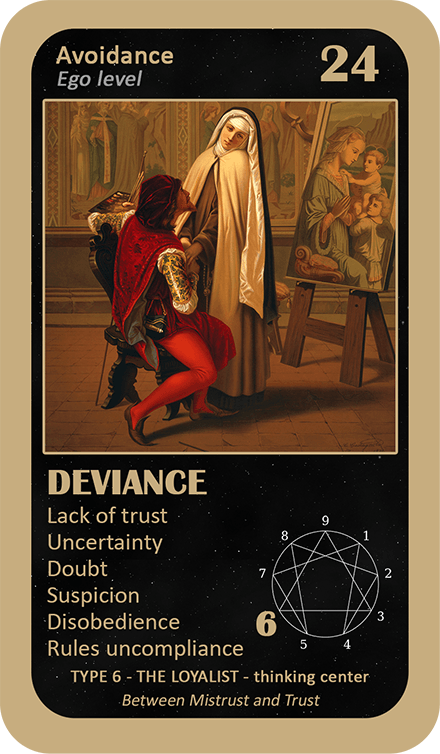
Type 6 individuals are security-oriented and loyal. They anticipate danger and seek to protect themselves by surrounding themselves with trusted people and systems. Their primary challenge is managing fear and doubt.
Type 7: The Enthusiast
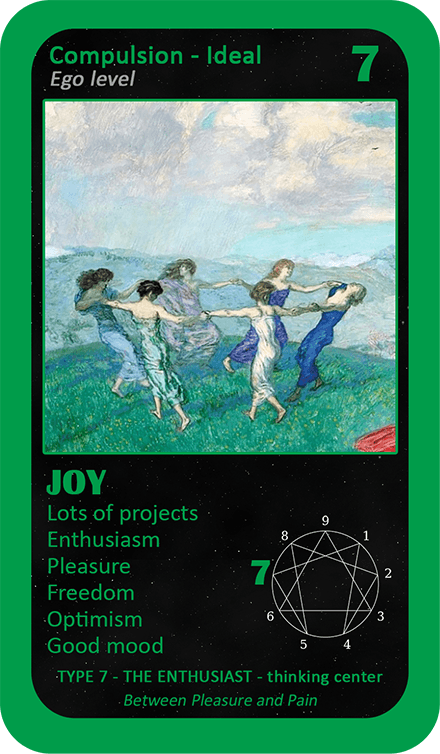
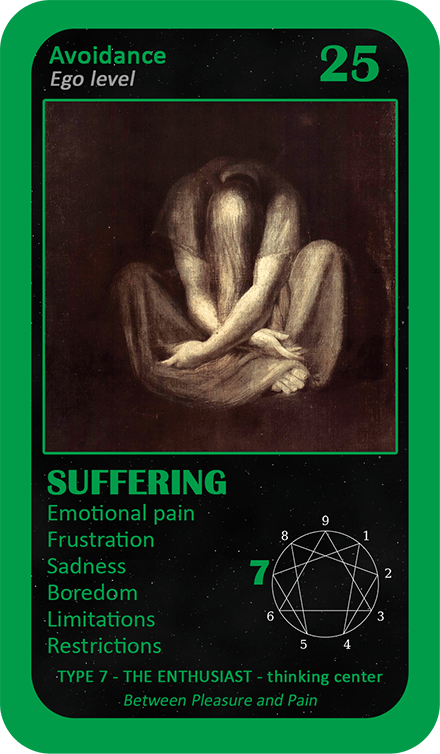
Type 7 is characterized by a constant desire for new experiences and pleasure. They use their intellect to plan and avoid pain, preferring to focus on the positive and steer clear of negative emotions. Their main challenge is learning to stay present in the moment and deal with the less pleasant aspects of life.
The Emotional Center: Feeling, Image, and the Quest for Approval
The Emotional Center includes Enneagram Types 2, 3, and 4, and focuses on emotions, relationships, and how individuals perceive their image in the eyes of others. People centered in this area are often motivated by a need for acceptance and recognition.
Type 2: The Helper
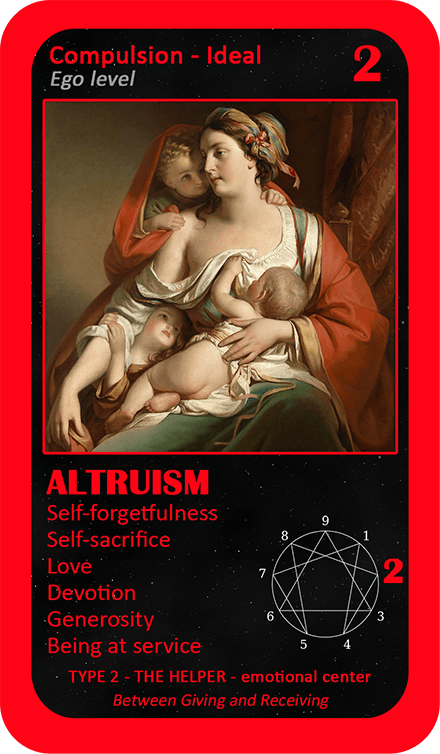
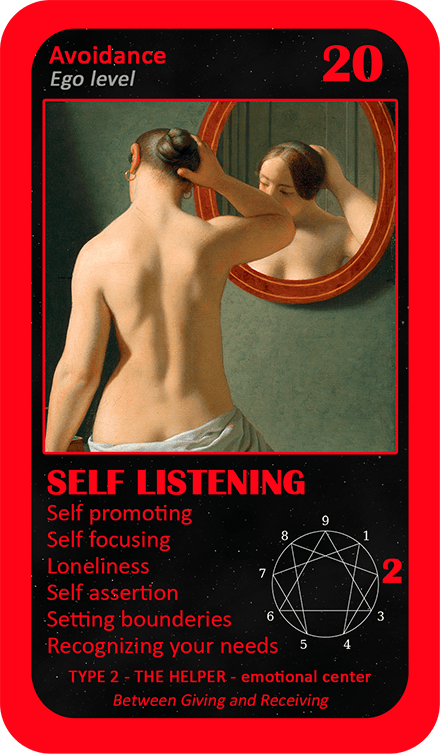
Type 2 individuals are deeply empathetic and service-oriented. They seek to be loved by making themselves indispensable to others but may neglect their own needs in the process. Their primary challenge is finding a balance between giving to others and nurturing themselves.
Type 3: The Achiever
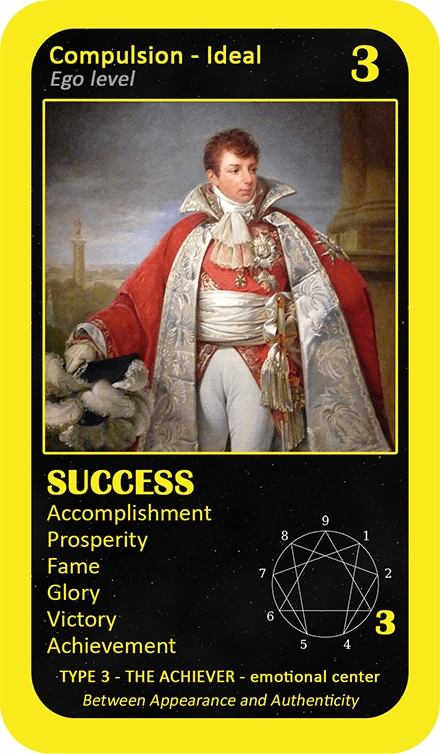
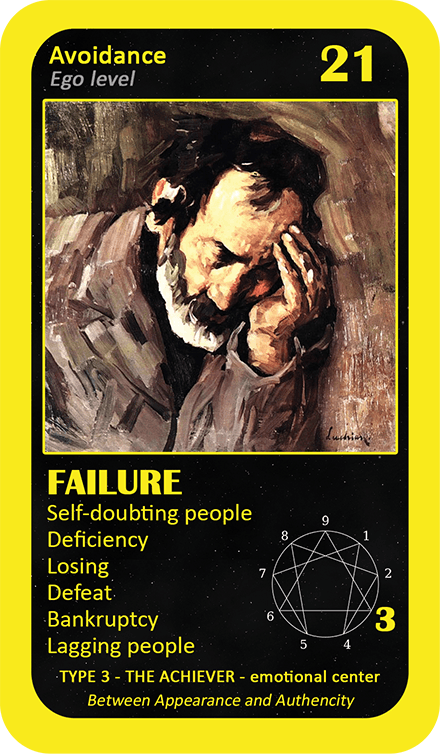
Type 3 individuals are ambitious and concerned with their image. They define themselves by their accomplishments and success, seeking to be admired for what they achieve. The challenge for Type 3s is learning to value their authenticity rather than focusing solely on their public image.
Type 4: The Individualist
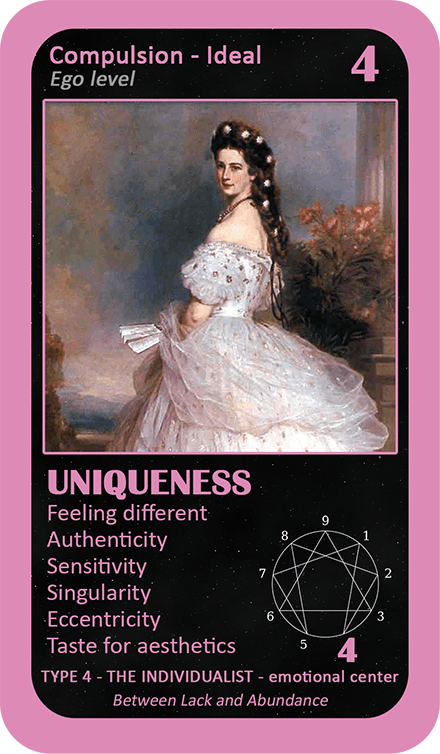
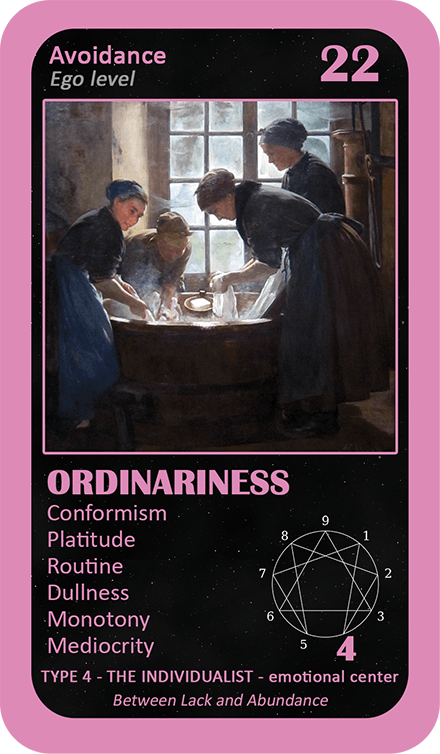
Type 4 is marked by a deep quest for identity and emotional sensitivity. People of this type seek to differentiate themselves from others through their uniqueness and creativity but may struggle with feelings of melancholy and inner emptiness. Their challenge is to find a solid sense of self without getting lost in their emotions.
The Instinctive Center: Action, Intuition, and the Will to Control
The Instinctive Center includes Enneagram Types 8, 9, and 1, and focuses on action, intuition, and how individuals assert their will in the world. These types are often motivated by a need for control and autonomy.
Type 8: The Challenger
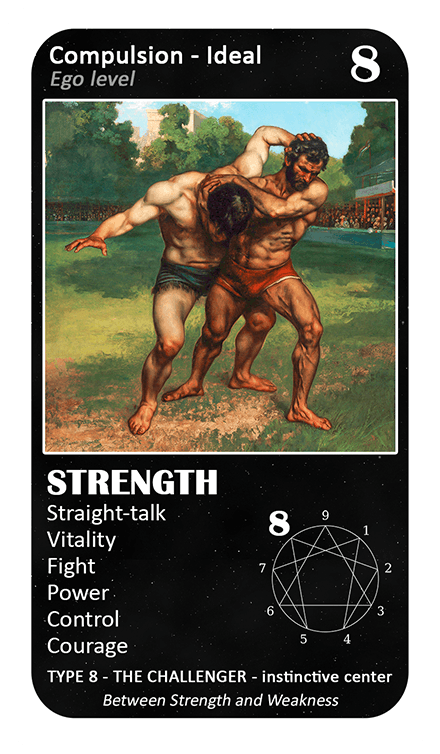
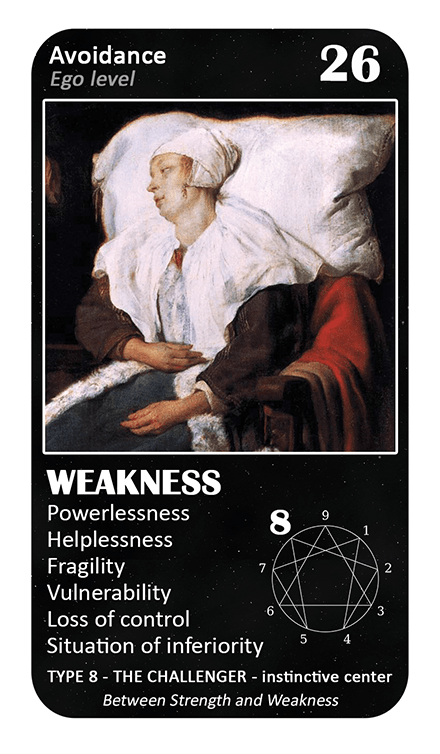
Type 8 individuals are natural leaders, assertive and protective. They seek to control their environment and show strength to avoid vulnerability. Their primary challenge is to channel their energy constructively without becoming domineering or authoritarian.
Type 9: The Peacemaker
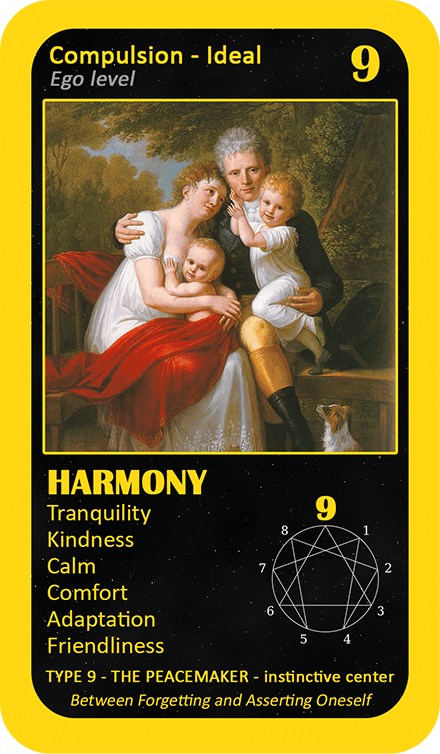
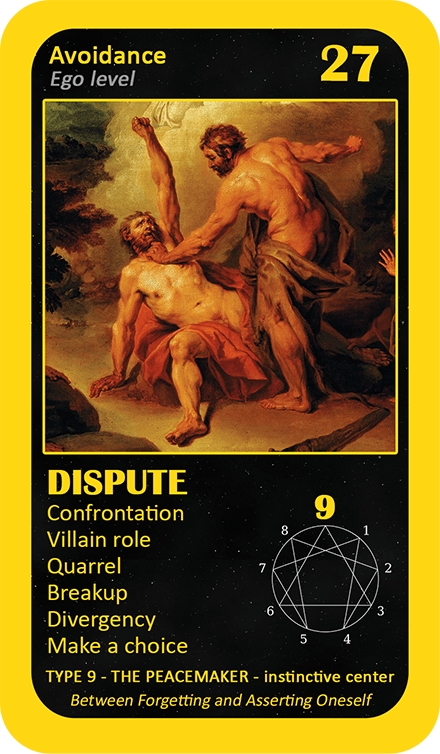
Type 9 seeks harmony and avoids conflict. They have a unique ability to see different perspectives but may struggle to assert their own needs. Their challenge is to balance their desire for peace with their need to manifest in the world.
Type 1: The Perfectionist
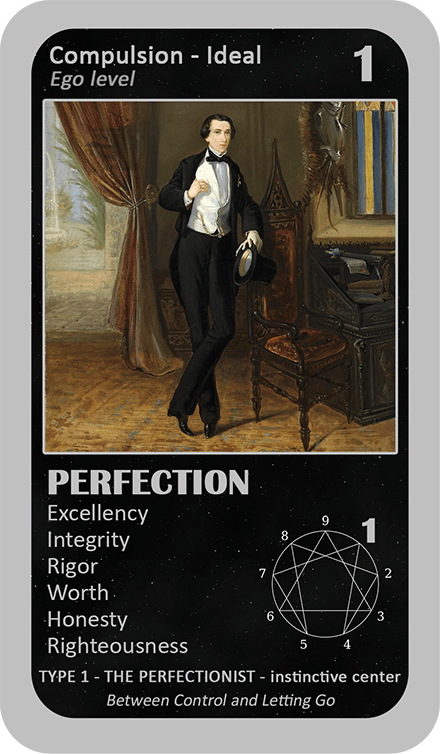
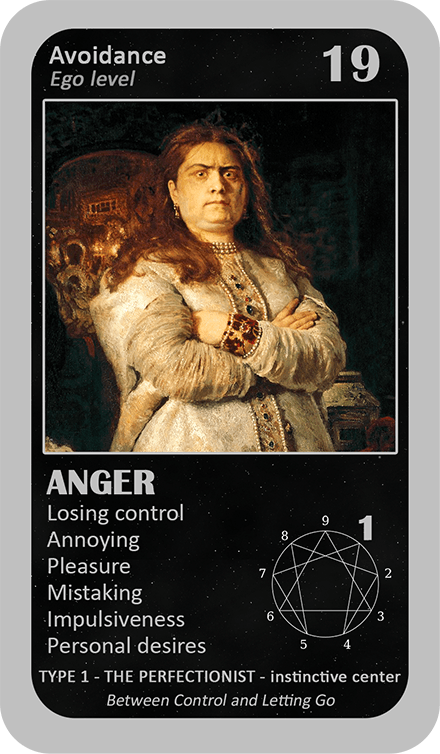
Type 1 individuals are motivated by a strong sense of duty and a desire for perfection. They seek to improve the world by adhering to strict principles of right and wrong. Their challenge is learning to accept imperfections, both in themselves and others.
Integrating the Three Centers for Comprehensive Personal Growth
One of the main teachings of the Enneagram is the importance of integrating the Three Centers to achieve balance and personal growth. Each of us naturally uses one center more than the others, but true fulfillment lies in the ability to balance the mental, emotional, and instinctive aspects of our being.
Balancing the Mental Center
For individuals dominated by the Mental Center, it’s essential to learn to connect more with their emotions and body. Practicing mindfulness, allowing themselves to feel emotions without rationalizing them, and acting spontaneously can help balance this center.
Balancing the Emotional Center
Those centered on emotions can benefit from strengthening their thinking and action. Learning to analyze situations with logic and make decisions based on facts rather than feelings can help achieve a better balance.
Balancing the Instinctive Center
For those who primarily rely on action and intuition, it’s important to develop greater awareness of their thoughts and emotions. This may include reflecting before acting, listening to their feelings, and making more balanced decisions.

The General Enneagram Oracle
Did you like the cards above? They are part of the General Enneagram Oracle.
Would you like to know more about this Oracle? All the information is here!
Conclusion: Using the Three Centers for a More Fulfilling Life
Understanding and integrating the Three Centers of the Enneagram is a crucial step toward a more balanced and fulfilling life. Each center offers a unique and valuable perspective, and by harmonizing them, we can develop a more complete view of ourselves and the world around us.
By learning to recognize the center that dominates your personality and working to develop the other centers, you can overcome personal challenges and achieve truly holistic growth. Whether through thought, emotion, or action, integrating the Three Centers allows us to live more consciously, authentically, and in alignment with our true essence.
The Enneagram doesn’t just categorize us; it invites us on an inner journey to explore the depths of our being and use this understanding to create a richer and more meaningful life. By integrating the teachings of the Three Centers, we not only take a step toward self-knowledge but also toward wisdom and personal fulfillment.
-----
This article was written using artificial intelligence and has been verified, checked and edited by Elena. Did it help you better understand the Enneagram? Please share your thoughts or ask questions in the comments. If you would like to learn more about the Enneagram, check out Elena’s self-published Enneagram Oracles, or download Elena’s free e-book “Introduction to the Enneagram.”
Derniers articles, ils pourraient vous intéresser 😉

About
Through the articles on this blog, Elena hopes to introduce you to some of the immense knowledge of the Enneagram. Each article presents cards from the four Oracles of the Enneagram to illustrate the ideas developed in each article. Feel free to comment and share your thoughts in the comments.
The 4 Enneagram Oracles
4 Reference Initiatory Oracles
⭐ Complete ⭐ Accurate ⭐ Powerful ⭐
Perfect for professional and amateur fortune tellers and enneagram coaches
💫 The General Oracle
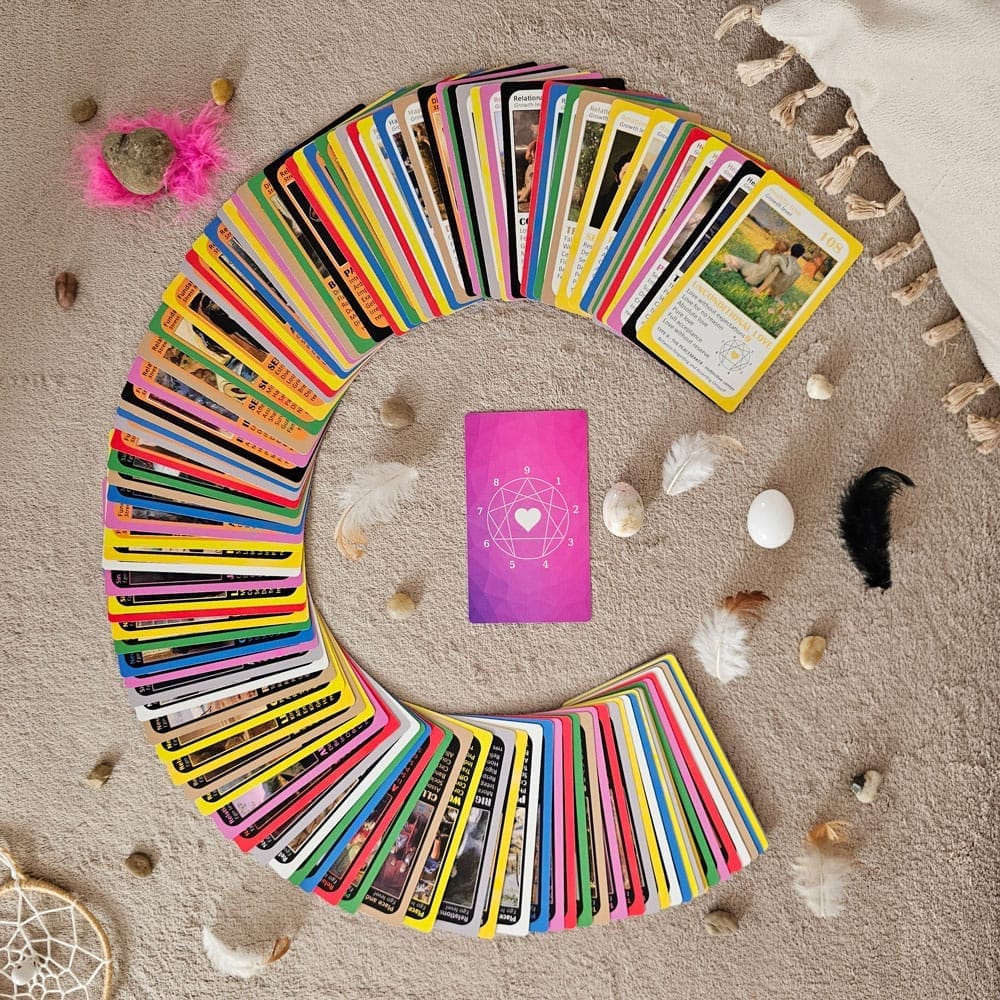
❤️ The Love Oracle

💰 The Wealth Oracle

🙏 The Mystical Oracle
⭐⭐⭐ Listen to your soul ⭐⭐⭐
More
Books about the Enneagram (coming soon)
Spiritual guidances
The Enneagram Oracle Boutique
🏬 Elenarts LLC
1209 Mountain Road PL NE STE N
Albuquerque, NM 87110
EIN 35-2917298
🙏 "Know thyself and thou shalt know the Universe and the Gods" - Socrates






All rights reserved. Copyright © 2021-2025 Elena